The Fixation Map That Explains Your 3 A.M. Reading Spiral
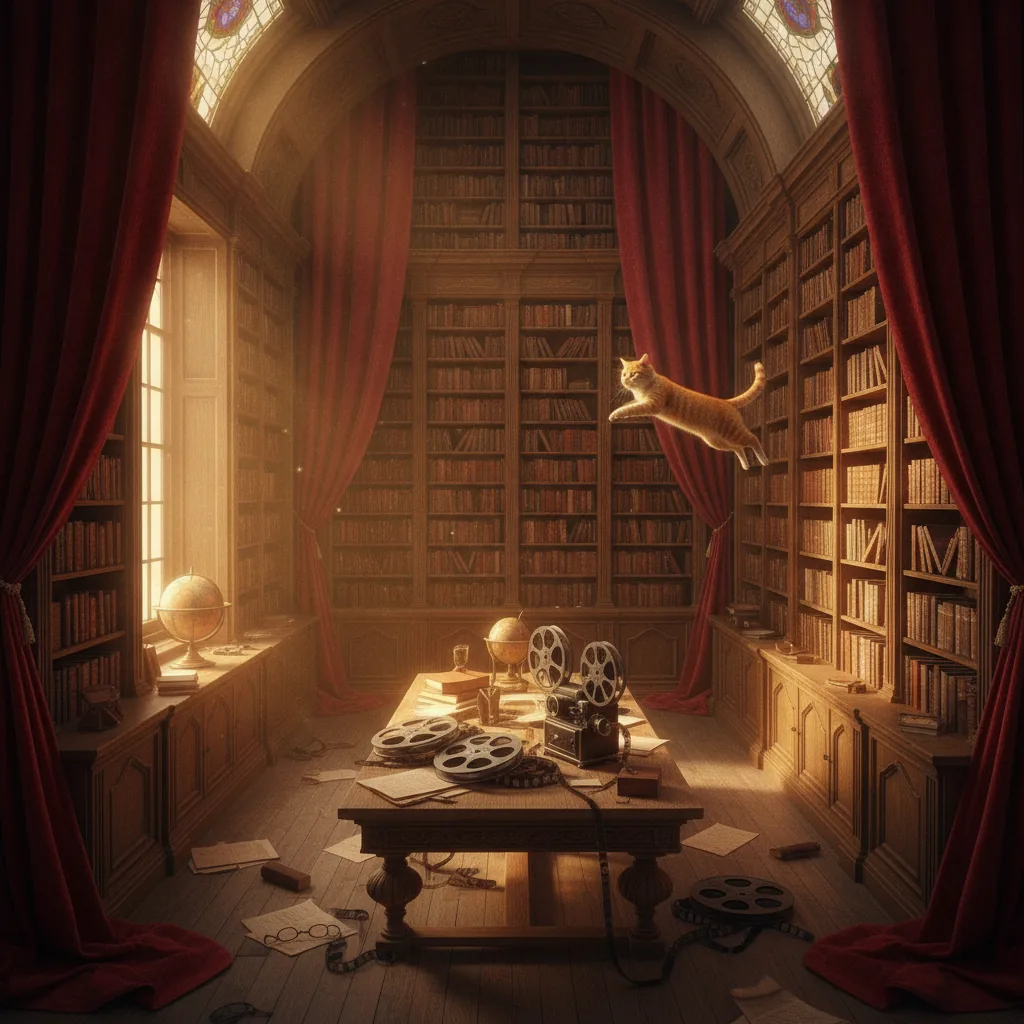
Imagine this: a line from a video you can’t even find anymore — something about a king who never asked you to kneel, the kind who made you want to — read aloud by a creator whose cat walked across the keyboard mid-sentence. The comments were already on fire. People tagging friends, calling it “your Roman Empire.” And the thing is, they weren’t wrong.
That line cemented itself in my skull at 2 a.m. on a Tuesday, screen brightness at 1%, heart rate somewhere around catastrophic, and I knew I was never getting off this ride. It wasn’t from a published book. It was a moment, a vibe, a distillation of everything that’s currently rewiring what romantasy readers want. Because Norse-coded fae lords aren’t just having a moment. They are the moment. They’re the reason your Pinterest boards have quietly shifted from autumn cottagecore to longship aesthetics and frost-bitten crowns, and you didn’t even notice until someone pointed out that every pin you’ve saved this month features a man who looks like he could split a glacier with his jawline and then whisper something devastating against your throat.
But here’s what’s actually happening underneath all the thirst edits and the “if you liked [ACOTAR](/guides/acotar-reading-order) try this” carousels. The fixation map is redrawing itself in real time, and the three coordinates everyone keeps landing on are Norse fae lords, pirate romantasy, and morally gray antiheroes who don’t feel dangerous so much as they feel known. Not known like predictable. Known like the ache you get when you hear a song you forgot you loved — the kind of recognition that lives in your body, not your brain. And that convergence is changing what readers want, what they debate, and what they build their entire reading identities around.
Viking-Coded Fae Lords Are Rewriting the Power Fantasy
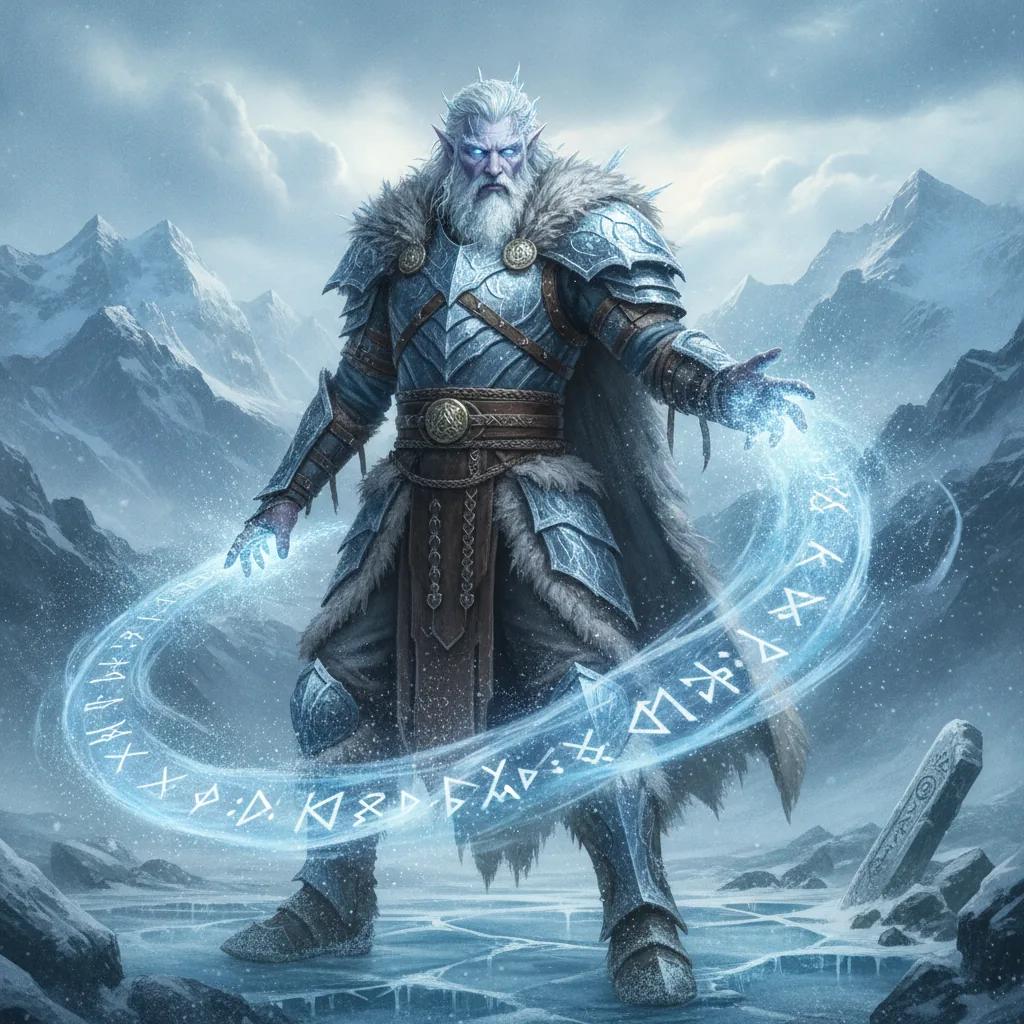
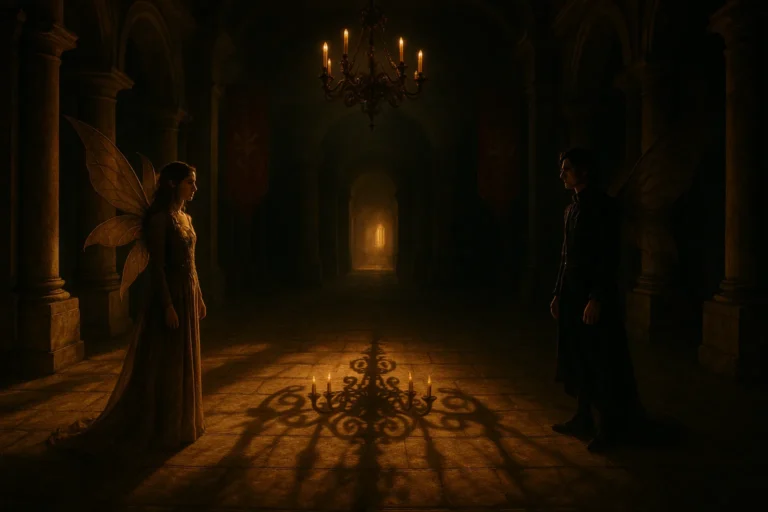
Let’s talk about the Viking thing, because it’s not just aesthetic. It’s structural. The Norse-coded fae lord isn’t your standard SJM court prince, though he absolutely owes that lineage a blood debt. He’s something older. Something with frost in his magic system and a throne that wasn’t inherited but taken. Editors are openly acknowledging that Viking and Norse-inspired worlds are reshaping the romantasy shelf, and that’s not because readers suddenly developed a casual interest in Old Norse mythology. It’s because the archetype itself hits a very specific cluster of desire points that the standard fae lord was starting to leave on the table.
Cold warrior masculinity. That’s the phrase that keeps showing up everywhere this trend gets packaged, and honestly, it tracks. The Norse-coded fae lord doesn’t smirk across a glittering ballroom. He stares at you across a longship deck while the sea tries to kill everyone, and his expression says he’s already decided you belong to him but he’s going to let you figure that out on your own. The power dynamic isn’t courtly in the traditional sense. It’s ancient. It’s mythic. It runs on the assumption that dominance isn’t about titles or territory but about who’s willing to burn everything they rule to keep one person breathing.
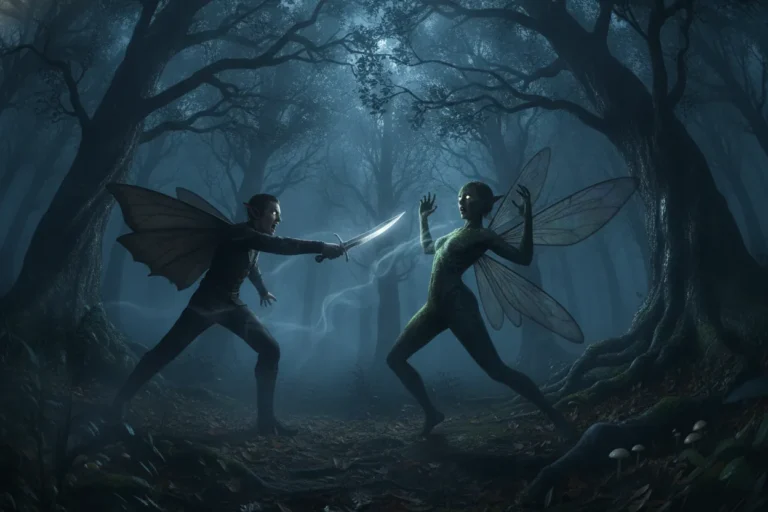
And the [enemies-to-lovers](/lists/enemies-to-lovers-romantasy) energy in these stories is different from what you get in a classic fae court romance. It’s rawer. Less political maneuvering, more “I was literally sent to kill you and now I can’t stop thinking about the way your voice sounds when you’re furious.” The tension doesn’t come from court intrigue. It comes from the collision between duty and want, between a warrior code that demands sacrifice and a bond that refuses to let either of them walk away. The fae element adds the supernatural stakes, the magic-laced inevitability, but the Norse coding gives it weight. Grit. The sense that this love was forged in something brutal and survived anyway.
BookTok has latched onto this because it feeds the exact appetite that ACOTAR built and then left hungry. Readers who spent years inside Prythian’s courts didn’t stop wanting fae lords. They started wanting fae lords who felt less polished and more primal. The anticipation around Sarah J. Maas’s next move still anchors fae-court discourse, but the readers who live in that space aren’t waiting passively. They’re finding Norse-coded alternatives that scratch the itch with a different kind of blade.
Pirate Romantasy and the Enemies-to-Lovers Ship That Literally Sails
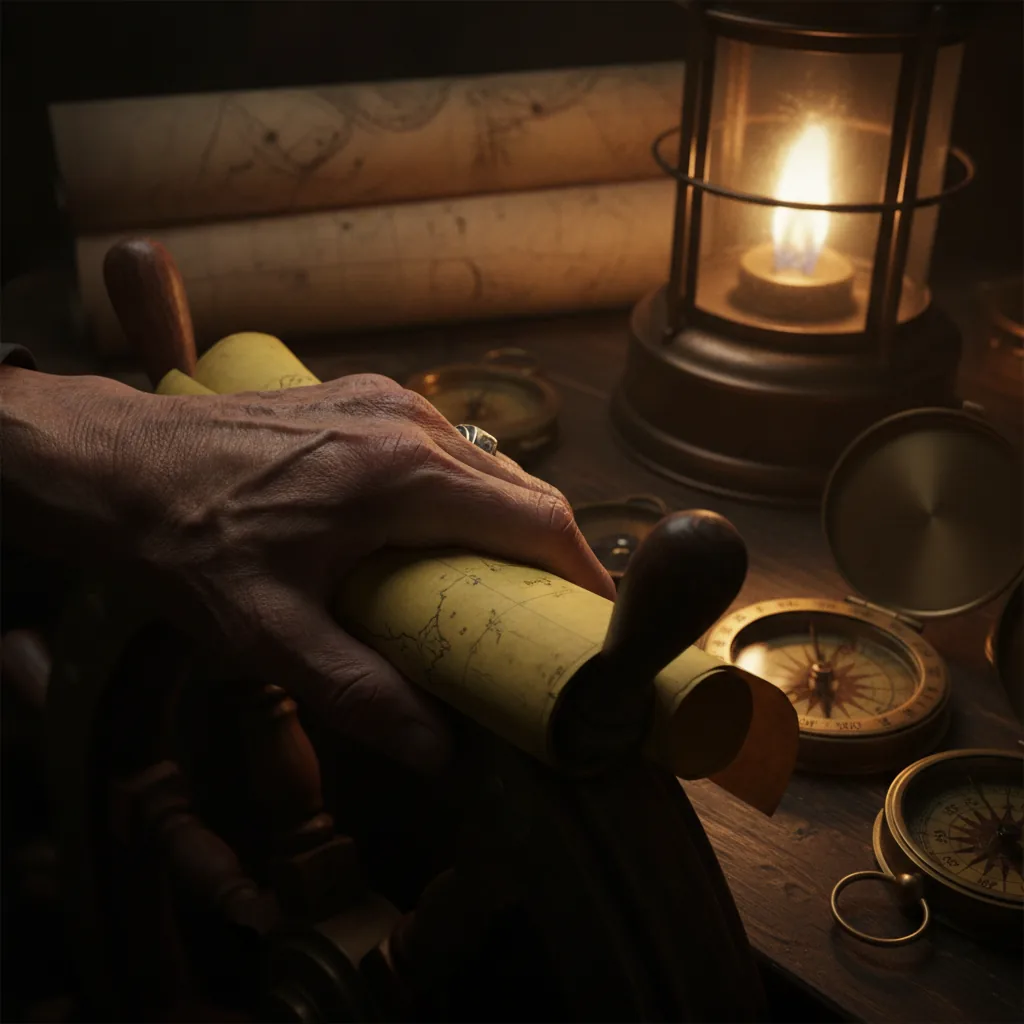
Now let’s talk about the pirates, because [pirate romantasy](/lists/pirate-romantasy-recommendations) is doing something sneaky and brilliant, and if you aren’t paying attention, you’re going to miss why it matters.
The pirate romantasy lane isn’t new. But the way it’s being discussed right now is. Everyone keeps calling these books “addictive,” and that framing isn’t accidental. The conversation around pirate romantasy emphasizes feisty heroines, morally gray captains, and relationship-driven tension that treats worldbuilding as a stage, not a lecture. The ocean is the setting, not the point. The point is the dynamic. The point is always the dynamic.
And that dynamic maps almost perfectly onto the enemies-to-lovers pipeline that readers have spent years perfecting their vocabulary around. You’ve got forced proximity — they’re on a ship, there’s nowhere to go, the cabin is small, the tension is not. You’ve got power imbalance — captain and captive, rival and reluctant ally, commodore’s daughter and the man who just stole her father’s flagship. You’ve got morally gray everything, because pirates, by definition, don’t operate within the rules, and that gives both the hero and the heroine permission to be messy in ways that land-locked court settings sometimes don’t.
The ship discourse — and I mean that in every possible sense of the word — is where pirate romantasy really ignites. When the love interest is the captain of an actual ship, the debates about whether the pairing is “canon-compatible” get tangled up with debates about loyalty, crew dynamics, found-family bonds, and whether it’s acceptable to root for someone who has objectively done terrible things if the terrible things were done for reasons that make your chest hurt. The found-family crew element is huge here. It gives the romance a social ecosystem, a context, a reason for the heroine to stay even before the romantic tension becomes undeniable. She doesn’t just fall for the captain. She falls for the life. The freedom. The version of herself she gets to be when no one’s telling her who to become.
And the spicy scenes in pirate romantasy hit different because of the setting itself. The rocking of the ship. The salt air. The stolen moments below deck while the crew is asleep and the stars are doing something obscene overhead. There’s a sensory richness that gives authors more texture to work with, and readers have noticed. The TikTok edits for these books don’t just feature quotes — they feature soundscapes. Waves. Creaking wood. The kind of atmospheric layering that turns a reading recommendation into a full-body experience.
The Morally Gray Antihero Isn’t New, But the Reason You Love Him Is
Here’s where we need to get honest about something the discourse keeps circling but never quite names.
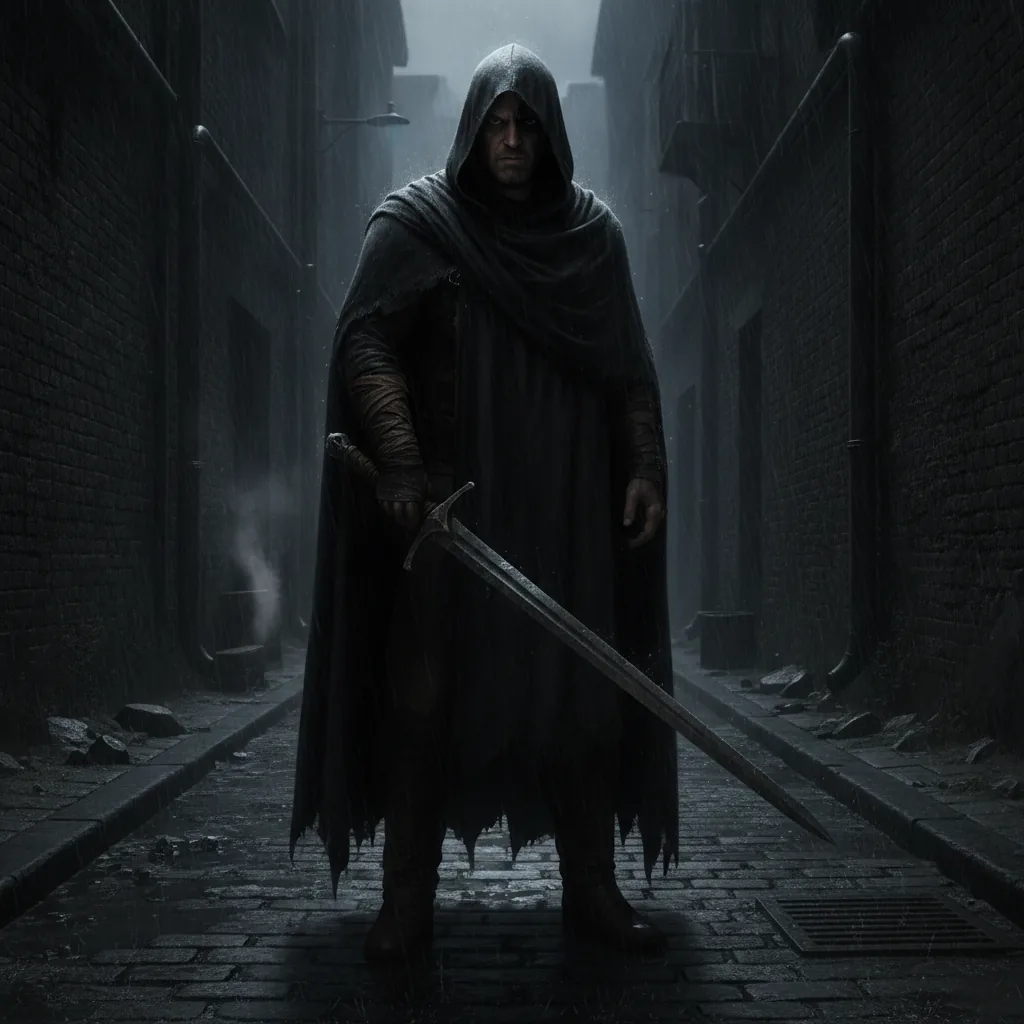
The morally gray antihero in romantasy isn’t a new phenomenon. He’s been here since the genre figured out that readers didn’t actually want the knight in shining armor. They wanted the knight who took the armor off someone else’s corpse and wore it anyway because it fit. What’s new is the emotional mechanism driving the current fixation, and it isn’t darkness. It’s nostalgia.
The antihero obsession heading into 2025 isn’t about pushing further into taboo territory for the thrill of transgression. That wave happened. It was important. It opened doors. But what’s happening now is something more layered. Readers are returning to morally gray archetypes — the cursed hero, the villain love interest, the monster with a redemption arc held together by one person’s refusal to let him go — because these archetypes deliver recognizable emotional payoff. They feel safe. Not safe like boring. Safe like a controlled burn. You know the shape of the pain. You know the trajectory of the healing. You know that the darkness has a purpose and the purpose is intimacy, and that knowledge lets you sink deeper into the intensity without fear.
This is the nostalgia-driven antihero. He’s not your first encounter with a morally compromised love interest. He’s your fifteenth. Your thirtieth. And the reason you keep coming back isn’t because you’re looking for a new version of him. It’s because you want to feel that specific feeling again — the one where your stomach drops and your eyes sting and you realize the villain just did the most selfless thing in the entire book and he did it quietly, without asking for credit, because the only person whose opinion matters is the one person he can’t bring himself to look at.
Dark romance sensibilities are mainstreaming into romantasy in a way that doesn’t erase the fantasy elements but reshapes them. The fae lord who would burn his own kingdom isn’t doing it because he’s evil. He’s doing it because she asked him not to let her go, and he took that literally. The Norse-coded warlord who drags her onto his longship isn’t a kidnapper in the way the text wants you to fear. He’s a man who saw something in her that no one else bothered to look for, and his methods are terrible, and his devotion is absolute, and the combination of those two things is why you’re highlighting passages at 3 a.m. instead of sleeping like a person with a functioning circadian rhythm.
The Fixation Map: Where Norse Lords, Pirates, and Antiheroes Converge
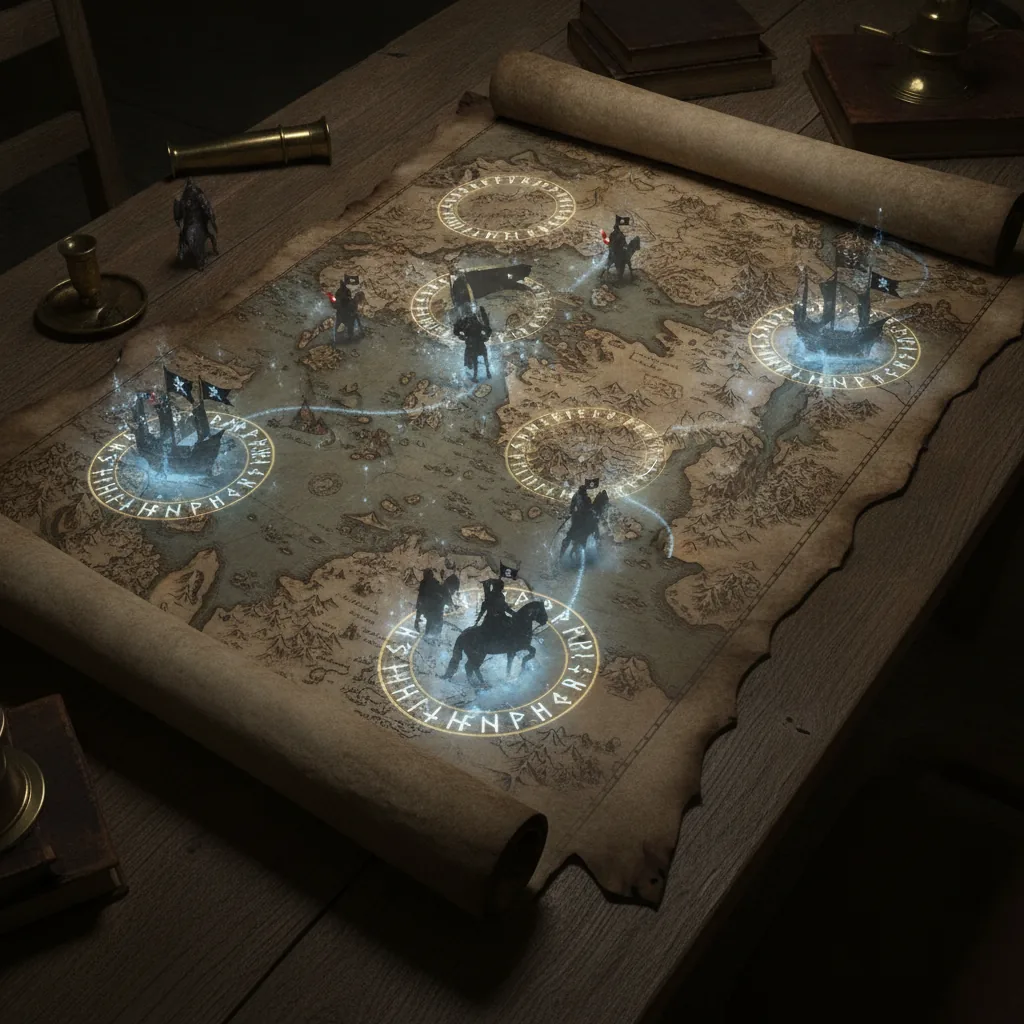
So why are these three things trending simultaneously? Why Norse fae lords and pirate captains and nostalgic antiheroes all at once?
Because they aren’t three separate trends. They’re three expressions of the same underlying reader desire, and that desire is for intensity that feels earned, not engineered.
The Norse fae lord earns his intensity through mythic weight. His love isn’t a choice. It’s a fate he fought against and lost, and the losing is what makes it holy. The pirate captain earns his intensity through proximity and freedom. He offers a life outside every structure that ever tried to contain the heroine, and the romance is what happens when two people who’ve been running from everything finally stop running from each other. The nostalgic antihero earns his intensity through repetition and recognition. He’s the archetype you’ve loved before, and loving him again feels like picking up a conversation you never wanted to end.
What the discourse is building with these three fixation points is a desire language that’s less about what’s new and more about what’s true. The question isn’t “what haven’t I read?” It’s “what do I keep needing?” And the answer, across all three lanes, is the same: I need an arc where the tension isn’t performative, where the stakes are real enough to hurt, where the love interest is compromised in ways that make his devotion more convincing rather than less, and where the resolution feels like something I earned by going through the pain alongside the characters.
That’s why these archetypes keep appearing on the same carousels, the same Pinterest boards, the same recommendation threads. They speak the same emotional dialect. A reader who’s deep into Norse fae lord content doesn’t have to make a cognitive leap to fall for a pirate captain. The circuitry is the same. The pull is the same. Only the setting changes.
The Spicy Scene That Proves the Thesis
You want proof? Let’s look at the kind of scene that goes viral across all three lanes.
It’s never the first kiss. It’s never the declaration. It’s the moment right before surrender, when both characters know what’s about to happen and one of them says something that makes the other one stop breathing. It’s the Norse fae lord putting his hand on the wall behind her head and saying, “Tell me to stop and I will, but you won’t, because you’ve wanted this since the moment you drew a blade on me.” It’s the pirate captain catching her wrist as she tries to leave his cabin and pulling her back with “You can hate me in the morning. Right now, you’re staying.” It’s the antihero, battle-scarred and rain-soaked and barely holding himself together, whispering, “I’ve destroyed everything I’ve ever touched. I’m asking you to let me try not to.”
Those scenes don’t go viral because they’re explicit. They go viral because they’re specific. Because they name the tension instead of gesturing at it. Because they let the reader feel the precise weight of what’s being offered and what’s being risked. The spice isn’t the act. The spice is the emotional stakes wrapped around the act like a fist.
And the creators who drive the most engagement around these archetypes know this. They aren’t posting explicit excerpts with shock-value captions. They’re posting the three sentences before the explicit excerpt — the ones that make you understand why this particular moment between these particular people matters more than any physical act could on its own. The context is the kink. The history is the foreplay. The enemies-to-lovers tension did all the heavy lifting long before anyone’s clothing hit the floor.
What the Fixation Map Points to Next (and Why It’s Already Here)
If you’re reading this and wondering where the map goes from here, let me tell you something: the next wave isn’t coming. It’s already arrived. You just haven’t named it yet.
The convergence of Norse coding, pirate freedom narratives, and nostalgic antihero devotion is pointing toward one very specific evolution: the ancient mariner archetype. Not just a pirate. Not just a fae lord. A figure who’s sailed impossible seas for centuries, who carries the weight of mythic time, who’s been alive long enough to have lost everything and is encountering the one person who makes immortality feel like something other than a punishment.
This is the next fixation because it combines every emotional mechanism that’s currently driving the discourse. It’s got the Norse mythic weight. It’s got the pirate’s ocean-bound freedom. It’s got the antihero’s long history of moral compromise. And it’s got something none of the current archetypes fully deliver on their own: the ache of deep time. The idea that this love interest has waited — not patiently but desperately — for hundreds or thousands of years, and the heroine isn’t just someone he wants. She’s someone he’s been unconsciously searching for across centuries of salt and starlight and battles he stopped caring about winning.
Watch for it. The immortal seafarer. The cursed navigator. The fae lord who rules not a court but a fleet, whose throne is a ship’s helm, whose kingdom is the space between storms. He’s already showing up in indie romantasy releases. He’s already being mood-boarded on Pinterest with dark water aesthetics and ancient maps and the kind of longing that makes your ribcage feel too small.
And when he fully arrives in the discourse, the comment sections are going to be unhinged. Because this archetype doesn’t just invite ship debates. He demands them. Is the pairing canon-compatible if one half of the couple has lived long enough to have had twelve other great loves? Does that particular tension hit harder or softer when the enemy has had centuries to calcify his walls? Can you still call it forced proximity if the ship is the entire world?
Those are the questions that’ll fuel the next wave of romantasy discourse. And if you’re the kind of reader who’s already pinning longship aesthetics next to [fae court mood boards](/lists/fae-court-romantasy), who’s already saving pirate romantasy recommendations alongside your ACOTAR reread schedule, who’s already defending your love of morally gray antiheroes in comment sections where someone inevitably says “but he’s a bad person,” then you already know what I know.
You’re not chasing trends. You’re following your own fixation map. And every single coordinate on it points to the same truth: you don’t want safe. You don’t want simple. You want the kind of love story that leaves marks — the kind that earns its intensity through conflict and compromise and the unbearable vulnerability of wanting someone who could absolutely destroy you and choosing to stay anyway.
That’s the fae lord’s promise. That’s the pirate captain’s gamble. That’s the antihero’s last prayer.
And that’s why you’re still reading at 3 a.m. with your heart in your throat and your highlights running out of color options.
You know exactly who you are.