Romantasy Mood Boards Aren’t Performative — They’re the Point
“She belongs to both of them and they’d burn the court down before they let anyone forget it.”
That line. That exact energy. That’s the one that made me close the app, open it again, screenshot it, post it to my story with a black background and a single flame emoji, and then spend forty-five minutes rearranging my shelf so the three books that gave me that same chest-tight feral feeling were front-facing and touching. Not because anyone asked. Because I needed the outside of my life to look like the inside of my reading brain. Because when I stare at that little cluster of spines, those specific cover palettes, I feel seen by myself. And if someone else clocks it? If a stranger on the internet sees my shelfie and knows exactly which trope I’d die on a hill for? That’s not performance. That’s recognition.
This is the conversation nobody’s having correctly. The “performative reader” backlash is loud, it’s getting louder, and it’s aimed almost exclusively at women who read romantasy. The accusation goes like this: you’re not really reading, you’re just curating. You’re building a mood board identity instead of engaging with the text. You care more about your candle and your annotated tabs and your enemies-to-lovers aesthetic reel than you do about the actual story. You’re using books as props.
And I need you to sit with how gendered that accusation is before we go any further.
Trope-Coded Shelves Are a Language, Not a Costume
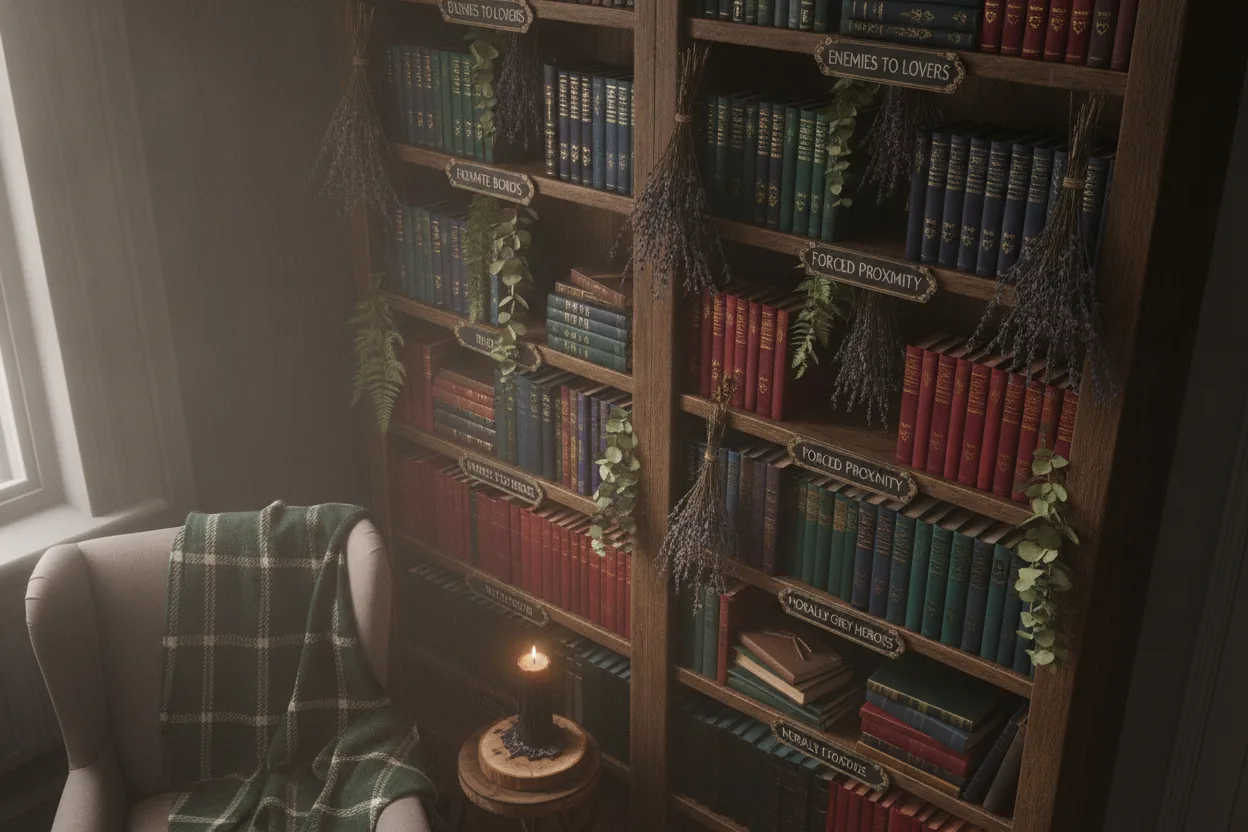
Here’s the thing the backlash crowd doesn’t understand, probably because they’ve never had to build a reading identity from scratch in a culture that told them their taste was trash. When a romantasy reader organizes her shelf by trope instead of author, when she puts her MMF fae enemies-to-lovers books on the top shelf with a dried flower arrangement and a black candle, she’s not decorating. She’s taxonomizing. Full stop. She’s building a system of meaning that the publishing industry never gave her, and she’s doing it with a precision that would make an archivist weep.
Think about it. Traditional literary culture gives you the canon. It gives you “serious fiction.” It gives you prize lists and syllabi and the implicit understanding that some books matter and others are guilty pleasures. Romantasy readers rejected that hierarchy and built their own, and trope labels are the organizing principle. Enemies-to-lovers isn’t just a plot structure. It’s a worldview. It says: I believe the most interesting love is the one that has to fight its way through hostility. Grumpy-sunshine says: I believe softness can crack open something closed. MMF says: I believe desire doesn’t have to be zero-sum. These aren’t marketing categories. They’re values.
When a reader puts “morally grey MMC” in her TikTok bio, she’s not being shallow. She’s speaking fluently in a critical vocabulary that her community invented because the existing one didn’t have room for what she cares about. And that vocabulary travels through visuals now. Through mood boards and shelfies and aesthetic reels set to that one slowed-down Florence + The Machine track. A 2023 study published in *Convergence* by Merga and Saunders on BookTok reading practices found exactly this: books and bookshelves function as visual signals of identity, with display practices explicitly tied to how readers construct and communicate selfhood. The shelf is a text. The mood board is a text. And reading them requires its own literacy.
The MMF Fae Romance That Broke the Aesthetic Wide Open

Let’s get specific because vague doesn’t live here. The MMF fae enemies-to-lovers trope is ground zero for this entire conversation, and here’s why: it’s the trope that demands the most from the reader’s identity, which is exactly why the aesthetic around it goes so insanely hard.
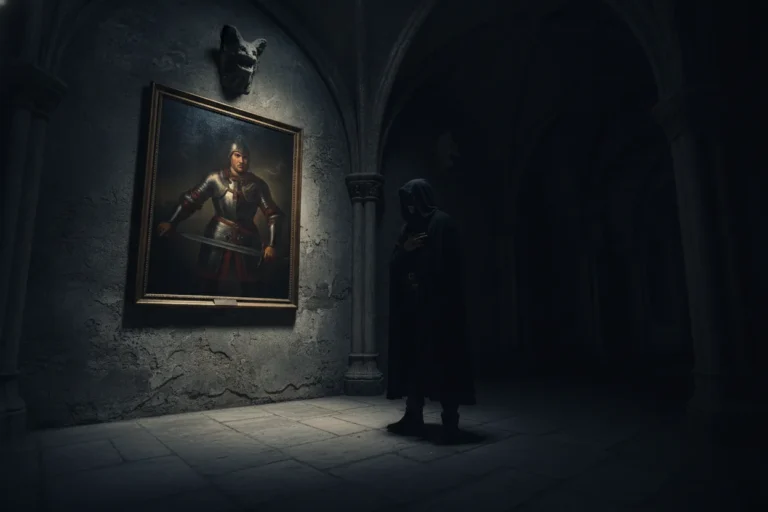
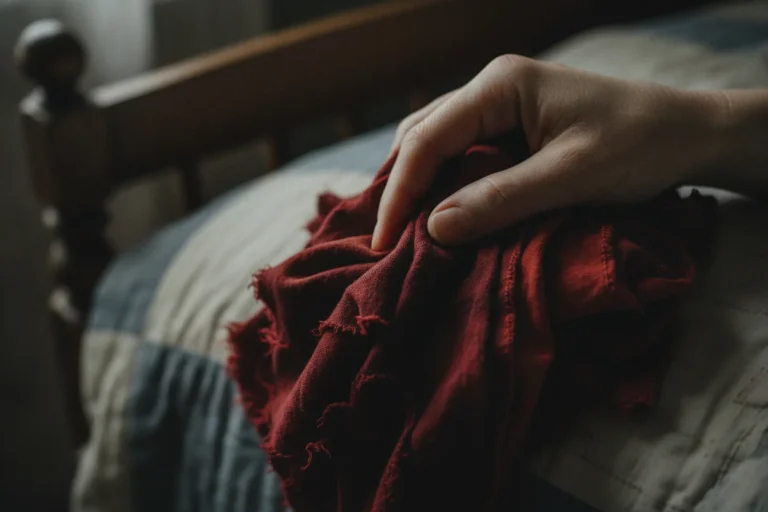
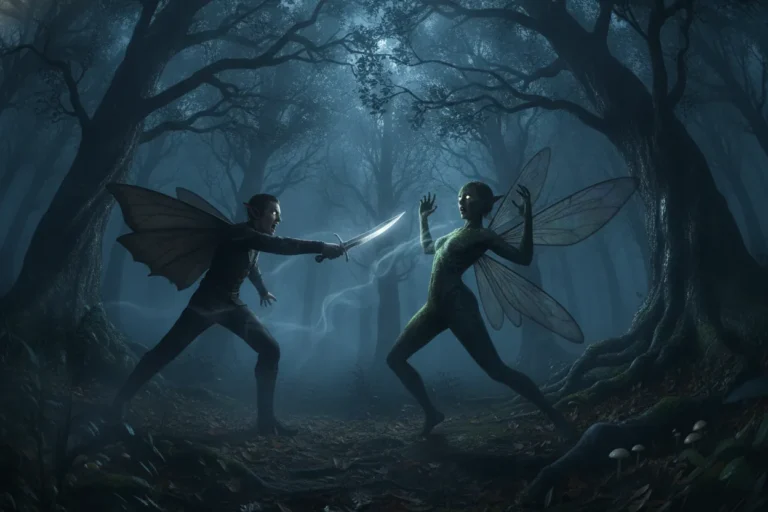
When you’re reading a book where a mortal woman is caught between two fae males who despise each other and want her with equal ferocity, the emotional architecture is so layered that a five-star review can’t hold it. You need the Pinterest board. You need the three-panel mood board with the thorned silver crown and the obsidian dagger and the rumpled bedsheets. You need the fan-cast post arguing about whether the winter court prince has Timothée Chalamet bone structure or something sharper, something less human. You need the playlist that transitions from Hozier to something with teeth.
This is what critics call staged. I call it interpretive.
The spicy scenes in MMF fae romantasy are a perfect case study. When the scene hits, when both males are finally in the same room with her and the power dynamic flips from hostility to surrender, you can’t just say “it was hot.” The scene operates on like six simultaneous axes: the political tension of rival courts, the vulnerability of the human body among immortal ones, the way submission reads differently when it’s offered to two people who used to want you dead, the moment one of them touches the other and everything you thought you understood about the dynamic cracks open. Readers process that through aesthetic language because the feeling is too dense for a Goodreads review. The mood board isn’t replacing the reading experience. It’s extending it.
I’ve seen readers build entire board series for a single scene. One board for the tension before. One for the moment of contact. One for the aftermath when nobody can look at each other in the war council. That’s not shallow engagement. That’s close reading translated into a visual medium by people who were never taught that their close reading counts.
Why the Backlash Smells Like Misogyny Every Time
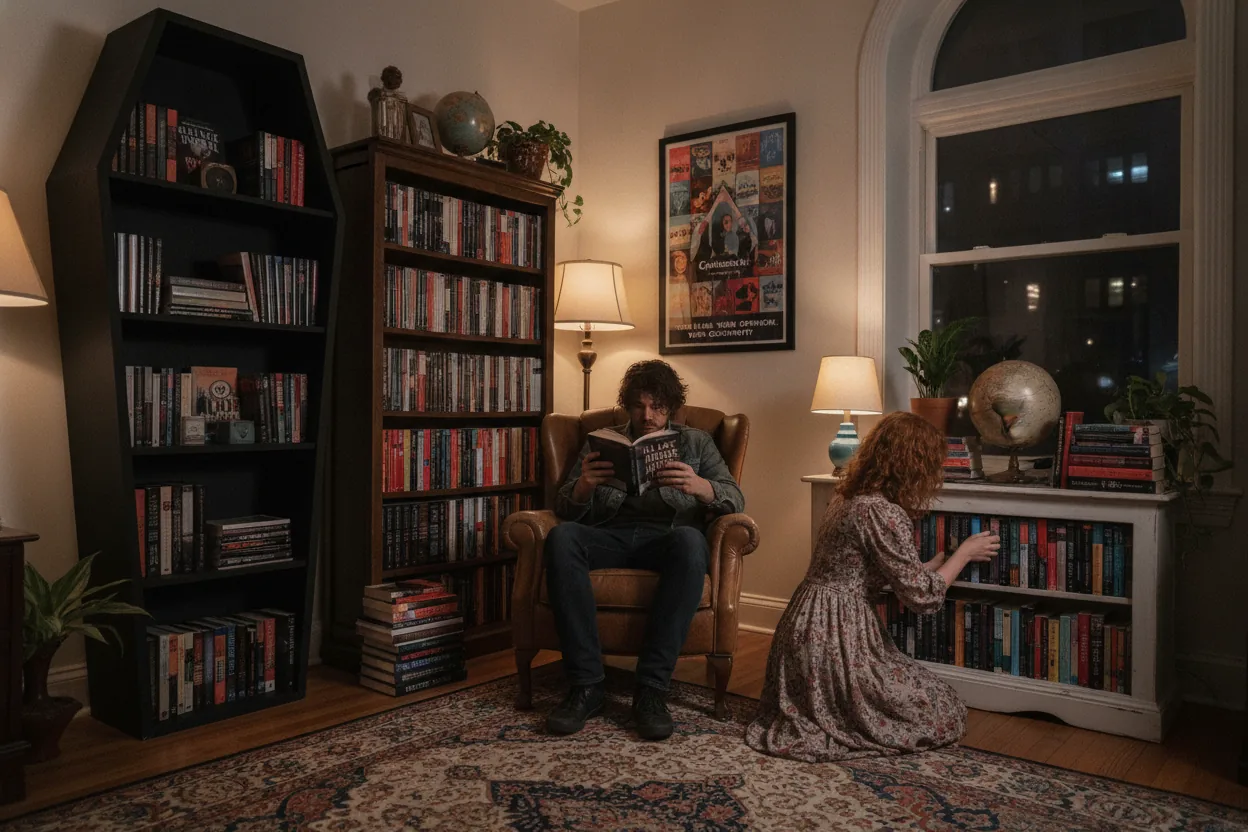
Let’s name the mechanism. The “performative reader” backlash targets women who read romance and romantasy with a specificity that it never applies to other fandoms. Nobody calls a man performative for displaying his Criterion Collection shelf. Nobody accuses a horror reader of “not really reading” because he has a custom bookshelf shaped like a coffin and a Letterboxd account full of atmospheric ratings. Nobody tells the guy with the first-edition Dune and the framed sandworm art that he’s using books as personality props.
But the moment a woman arranges her Sarah J. Maas hardcovers with fairy lights and posts it to BookTok? Performance. The moment she labels her shelf “morally grey heroes who ruin me”? Shallow. The moment she builds a mood board for her favorite MMF scene with specific color grading and a Spotify embed? Not a real reader.
But the accusation of performative reading is heavily gendered, and we need to talk about that. Romance and romantasy readers have been dealing with this exact dismissal for decades, and the BookTok version is just the newest iteration. Critics frame spice as a reason to dismiss you, trope-forward reading as formulaic consumption, and aesthetic-coded engagement as a substitute for “real” literary analysis. But what they’re actually saying is that feminine modes of interpretation don’t count. That if your critical apparatus involves feeling, desire, visual curation, and community rather than detached analysis, you’re performing instead of thinking.
This matters for MMF fae romantasy specifically because the genre sits at the intersection of everything that makes gatekeepers uncomfortable. It’s romantic. It’s sexual. It’s fantastical. It centers female desire. It often involves queer dynamics between the male leads. It asks you to take magic and feelings equally seriously. And its readers have built an entire aesthetic infrastructure to discuss it, which means they’ve built something that looks, from the outside, like a lifestyle brand rather than a reading practice. That visibility makes them a target.
From Review to Mood Board: How Romantasy Discovery Actually Works Now
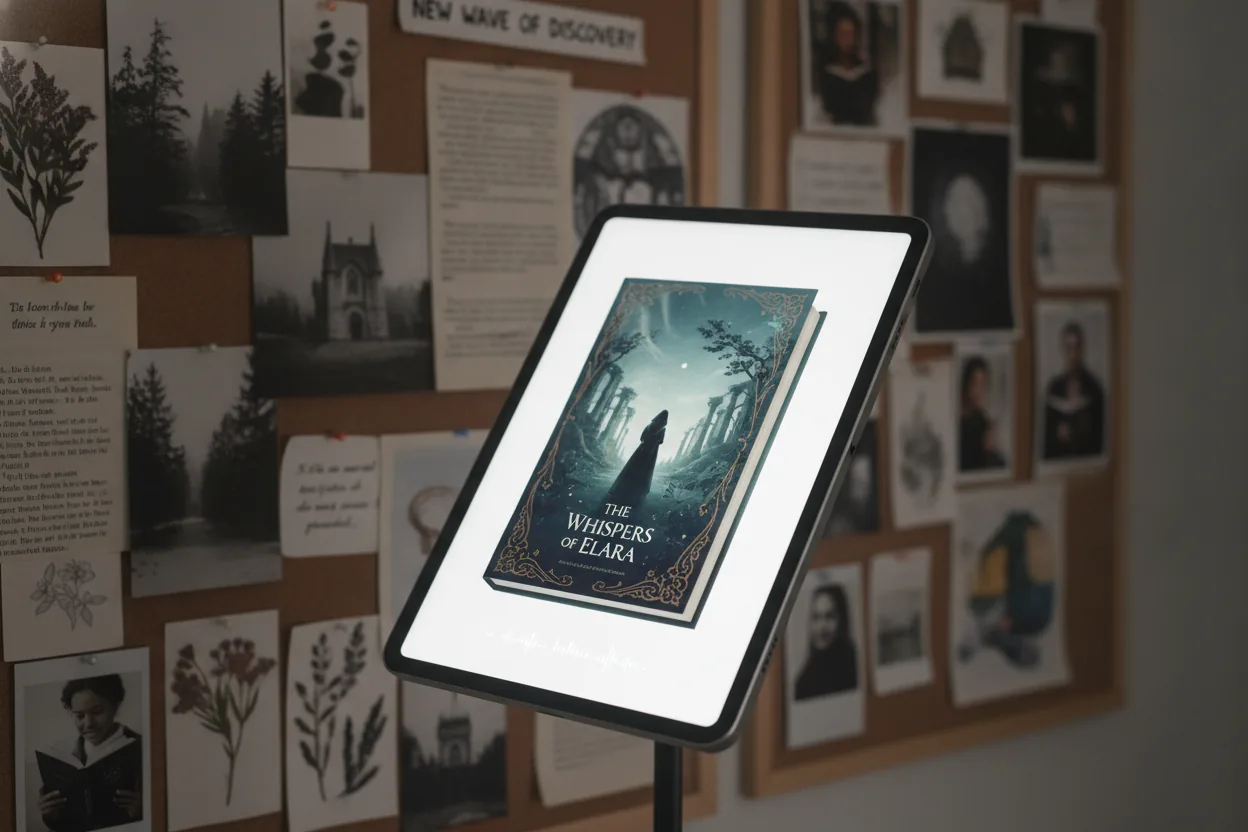
The shift from text-based reviews to visual-first discovery isn’t a degradation of reading culture. It’s an evolution that makes perfect sense when you look at how BookTok actually functions.
A BookTok video about a fae enemies-to-lovers MMF romance doesn’t lead with a thesis statement. It leads with a feeling. The camera pans over the cover. The audio is something atmospheric and aching. The text overlay says something like “when he called her ‘little mortal’ and his rival’s jaw tightened.” The comments explode. Someone asks for the title. Someone else says “I have this on my dark academia fae shelf.” A third person links their Pinterest board.
Look at creators like @novelreads_, who built an entire following around trope-coded shelf tours where every shelf level is organized by emotional damage level, or @thecozybooknook, whose dark romantasy mood boards — all deep plum tones, antique gold, dripping candle wax, and raw amethyst — have become a visual shorthand that thousands of readers instantly recognize. There’s that one viral video from early 2024 where a creator did a slow pan across a winter court shelf setup: ice-blue resin bookends, silver chain draped between spines, a single dried black rose, all while the slowed Billie Eilish remix of “lovely” played, and the comment section turned into a full-scale book rec engine. That video alone drove more discovery for MMF fae romance than any publisher marketing campaign I’ve ever seen.
This is discovery. This is how readers find their next book, their next community, their next piece of themselves. And it travels through aesthetics because aesthetics carry emotional information faster than synopsis. When you see a mood board with dark forest tones, silver jewelry, a knife, and two hands reaching for the same wrist, you know what kind of book that is. You know what it’s going to make you feel. You know whether you’re the reader for it. That’s not a failure of depth. That’s a visual shorthand developed by a community that processes literature through emotion and sensation first.
The shelfie functions the same way. Scholars describe BookTok’s “ready-made community” effect as giving readers candles, playlists, archetypes, and aesthetic bundles that let them inhabit a book’s world as part of the reading experience. Not instead of. Not as a replacement. As part of it. The candle that smells like pine and smoke while you read about the winter court isn’t a prop. It’s immersion. It’s the same impulse that makes you listen to a specific playlist while reading a specific scene. You’re not performing readership. You’re deepening it through every sensory channel you have access to.
The Shelf as Self-Portrait: Identity-First Reading Is Valid Reading
Here’s where I need the backlash crowd to be quiet for a second. When a romantasy reader says “this trope is my personality,” she’s not being literal and she’s not being shallow. She’s doing something that readers have always done, which is using stories to understand and express who they are. The only difference is that she’s doing it visually, publicly, and in a community that validates it instead of in a private journal that nobody sees.
Your enemies-to-lovers shelf is a statement about how you understand love: that it’s forged in friction, not comfort. Your morally grey mood board is a statement about your relationship with ethical complexity: you don’t want heroes who are easy to root for because your own moral landscape isn’t that clean. Your MMF fae board is a statement about desire: that you experience it as expansive rather than exclusive, that power and vulnerability and multiplicity can coexist in the same fantasy.
These are not superficial positions. They’re personal philosophies articulated through taste. And taste has always been a form of identity construction. The difference is that BookTok made the construction visible, and visibility is what triggers backlash.
I’ve watched readers curate entire reading identities around a single emotional axis. The reader who only posts about possessive fae lords isn’t performing a one-note personality. She’s telling you that the fantasy of being claimed, of mattering so much to something powerful that it reorganizes its entire existence around you, is the emotional experience she needs right now. Maybe forever. Maybe just this season. Either way, the curation is communication, and dismissing it as performance is refusing to hear what she’s saying.
What the Spicy Scene Tells Us About Real Engagement
Critics love to point at spice as evidence that romantasy reading is shallow. As if desire isn’t one of the most complex emotional experiences a human being can have. As if writing a scene where two rival fae males and a mortal woman negotiate power, trust, jealousy, and surrender simultaneously isn’t a feat of narrative engineering. As if the reader who highlights that scene, photographs the page, and posts it with the caption “I am not okay” isn’t engaging critically with the text, she’s just… what? Titillated?
The spicy scene in MMF fae enemies-to-lovers is never just about the physical act. It’s the moment where every thread of the narrative converges. The political tension becomes bodily. The emotional walls become literal positions. Who touches whom first is a statement about who broke first, who trusted first, who admitted that the hatred was never really hatred. And readers respond to that convergence with intensity because the scene is doing something sophisticated. The mood board they create afterward, the aesthetic post, the re-read annotation — these are all forms of returning to that complexity and sitting inside it.
When someone builds a Pinterest board titled “the throne room scene from chapter 27,” that board is an act of criticism. It’s selecting visual references that capture the emotional tone, the power dynamics, the color and texture of what the scene felt like to experience. It’s literary analysis conducted in images instead of paragraphs. And it’s often more precise than a written review because it captures something that language alone struggles with: the sensory atmosphere of a reading experience.
Predicting the Next Wave: From Mood Board to World-Build
Here’s where I think this goes next, and honestly I’m already seeing it in the corners of BookTok that move fastest. The identity-shelf, the mood board, the trope-coded aesthetic — these are all going to collapse into something more immersive. We’re going to see readers building full world-builds around their reading identities. Not just a shelf that says “I read dark fae romance.” An entire curated environment that says “I live in the emotional space these books create.”
I’m talking about rooms designed around reading aesthetics. Journals that function as grimoires for tracking tropes across series. Collaborative Pinterest boards where entire reading communities build the visual world of a book together, scene by scene, as they read it in real time. The line between reader and world-builder is going to dissolve, and the people who were mocking shelfies are going to be completely unprepared for how deep this goes.
MMF fae romantasy is going to be at the center of this wave because it already demands the most elaborate imaginative infrastructure. You can’t just read about two fae rivals who share a mortal consort in a court built on ice magic and blood oaths and then go back to your normal life without residue. The aesthetic curation is how readers process and preserve that residue. And as the tools get better, as Canva and Pinterest and TikTok’s editing suite get more sophisticated, the curation is going to become indistinguishable from creation.
The backlash will get louder. It always does when women build something powerful out of materials that culture told them were trivial. But the readers know what they’re doing. They’ve always known. The shelf isn’t a prop. The mood board isn’t a substitute. The trope label in the bio isn’t a shallow branding exercise. It’s all reading. It’s all interpretation. It’s all identity, rendered visible because this community decided that visibility is what they deserve.
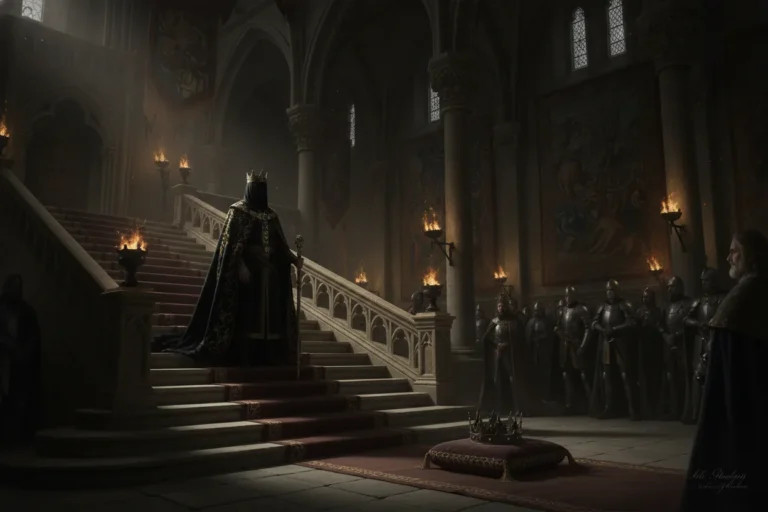
Here’s where the shelf stops being decoration. Take the reader who just finished an MMF fae enemies-to-lovers where the mortal woman has been playing both courts against each other and the two males finally realize they’ve been falling for each other as much as for her. The throne room confrontation scene — the one that rewired her entire understanding of what jealousy means — doesn’t end when she closes the book. She opens Pinterest. She starts pinning: the obsidian throne with veins of silver running through it like frozen lightning. A close-up of two hands — one scarred, one ringed in frost — both resting on the same velvet armrest. A gown the color of a bruise, slit to the hip, because the mortal woman in this scene wasn’t a victim; she was the one who orchestrated the unraveling. Dark emerald and midnight blue tones bleeding into each other. A single frame of a crown tipped sideways on a stone floor. She pins a quote card she made herself: “You don’t get to hate each other anymore. Not after what you both just admitted with your hands.”
That board has forty-three pins and it’s been repinned six hundred times. That board is a thesis. That board is the reader saying: I understood every layer of that scene, the political betrayal beneath the desire, the way surrender between enemies is its own form of war, the moment the triad became real and irreversible — and this is how I hold it. This is how I carry it forward. Not in a review. Not in a rating. In an atmosphere I can return to and feel it crack open again.
And if your enemies-to-lovers fae lord Pinterest board has exactly forty-seven pins organized by emotional arc, that doesn’t make you a performative reader. That makes you a reader who takes her own experience seriously enough to document it. That’s not performance. That’s devotion. And devotion is the entire point of this genre.